
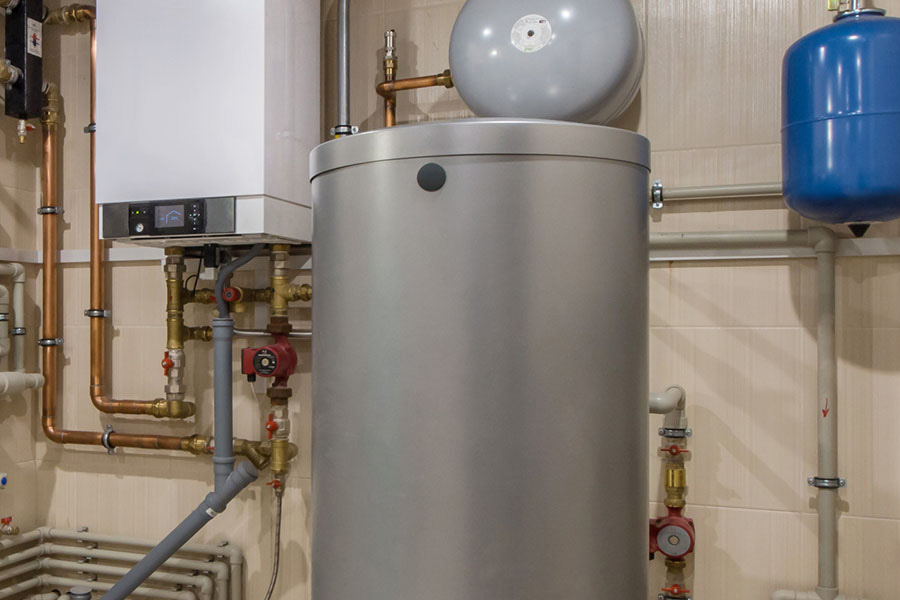
When your boiler quits, emergency boiler repair comes down to three moves: shut the system down safely, keep your family away from any gas odors, and call a professional you trust. Knowing how to respond can save you time, money, and a lot of headaches. Sleepy Hollow, NY homeowners have trusted Wesco 53 with moments like these since 1953, and the 10 tips below walk you through exactly what to do before help arrives.
Key Points
- Shut off your boiler and keep your family clear at the first sign of gas odors, leaks, or loud banging.
- Never attempt DIY repairs during a boiler emergency; they risk your safety, your warranty, and a bigger bill.
- Document symptoms, error codes, and timing before the technician arrives to speed up the repair.
- Annual professional maintenance catches small boiler problems before they become winter emergencies.
What Are the Common Signs of Boiler Failure?
Unusual noises, fading heat, leaks, strange odors, and pressure swings are the most common signs of boiler failure. Recognizing these issues early, before they escalate, can save you time, money, and hassle down the road.
Listen for clanking or gurgling sounds, which can indicate internal problems. If you notice a decrease in heating efficiency or uneven warmth in your home, do not ignore it.
Check for leaks or water pooling around the boiler; this could point to a serious issue. Pay attention to any strange odors, especially a rotten egg smell, which may signal a gas leak.
Keep an eye on the pressure gauge; if it drops too low or spikes too high, your boiler may need immediate attention. And if the pilot light flickers or changes color, it is time to call in the experts.
Regular boiler repair and maintenance catches these small issues before they turn into a no-heat emergency.
Put Safety First in a Boiler Emergency
In a boiler emergency, protecting your family comes before fixing the equipment. A faulty system can pose significant risks to your home and household.
First, keep everyone at a safe distance from the boiler. If you smell gas or hear unusual noises, evacuate the home immediately and call for help. Do not attempt to fix the issue yourself; you might inadvertently make things worse. The Consumer Product Safety Commission’s carbon monoxide safety guidance explains why problems with fuel-burning appliances deserve this level of caution.
Avoid using electrical switches or devices near the boiler, as this could trigger sparks, and make sure you have a working fire extinguisher nearby. It is also wise to have a reliable HVAC technician on speed dial. Wesco 53 answers emergency calls 24/7 throughout Westchester County, so help is always one phone call away.
Know Your Boiler’s Emergency Shut-off Procedures
Every homeowner should know how to shut a boiler down before a crisis hits. Locate the shut-off valve, get familiar with the control panel, and practice the steps with your household so everyone can act quickly.
Locate the Shut-off Valve
The shut-off valve is your first line of defense against hazards like leaks or pressure buildup. You will typically find it near the boiler itself, often on the supply line.
Learn its exact location and appearance before you ever need it; many valves are red or have a distinct handle. Label it if needed so anyone in your household can find it, and keep the area around the valve clear for fast access. Your safety depends on it.
Understand the Control Panel
Your boiler’s control panel tells you what the system is doing during a crisis. Here are four key elements to know:
- Emergency shut-off button: locate it and understand how to use it to stop the boiler immediately.
- Pressure gauge: monitor this to verify your boiler operates within safe limits.
- Temperature settings: know the normal operating temperatures and how to adjust them if needed.
- Indicator lights: learn what each light means, especially warning signals that could indicate a malfunction.
Practice Regular Drills
Practicing shut-off drills keeps everyone calm when a real emergency hits. Gather your household members and walk them through the process, making sure everyone can locate and operate the emergency shut-off valve quickly.
Rehearse the steps regularly, and consider timing the drill to simulate real urgency. While you are at it, review the specifics of your boiler system and any unique features it may have.
Keep Emergency HVAC Contact Information Handy
Quick access to your emergency HVAC contact can make all the difference in a boiler crisis. When your heating system fails, you do not want to waste time searching for a number.
- Store it in your phone: save the number in your contacts for easy access.
- Write it down: keep a physical copy on your fridge or bulletin board so anyone at home can find it.
- Use a dedicated app: some apps let you store important service contacts in one place.
- Share it with family: make sure everyone in your household knows who to call in an emergency.
One saved number can cover more than heating. Wesco 53 also provides emergency air conditioning services across Westchester County, so the same team has you covered year-round.
Document the Problem for Your HVAC Technician
Clear documentation helps your technician diagnose and fix the problem faster. Start by noting the symptoms: strange noises, leaks, or error codes. Write down the exact time the problem began and any changes you noticed leading up to the malfunction.
If the boiler shuts off unexpectedly, note how often it happens and whether it relates to temperature settings or specific times of day. Include any previous repairs or maintenance, since that history provides valuable context.
Finally, take photos or videos of any visible issues, such as leaks or unusual components. Good notes get you and your technician on the same page, which means a faster, more effective repair.
Why You Should Avoid DIY Boiler Repairs
Attempting DIY boiler repairs during an emergency almost always causes more harm than good. Here is why:
- Safety risks: boilers can be dangerous, and mishandling them may cause explosions or gas leaks.
- Worsening damage: quick fixes can make the problem worse and lead to costlier repairs later.
- Warranty issues: DIY repairs can void your boiler’s warranty, leaving you responsible for future costs.
- Wasted time: you may spend hours troubleshooting a problem a professional could fix quickly.
A qualified technician has the training and tools to handle emergencies safely and efficiently. Wesco 53 technicians explain what they find and never push unnecessary services, so you can make decisions with confidence.
How Serious Is Your Boiler Problem?
Before calling for help, take two minutes to gauge how severe the issue really is. Check for obvious signs of trouble like leaks, strange noises, or a lack of heat. Water pooling around the boiler or loud banging sounds usually point to something serious.
Look at the pressure gauge next; readings that are too low or too high may require immediate attention. Do not overlook warning lights on the control panel either, since they provide critical information about the system’s condition.
Consider the age of your boiler as well. Older systems fail more often, and if yours keeps breaking down, it may be worth exploring boiler installation and replacement instead of another patch.
Finally, think about the temperature in your home. If it is uncomfortably cold and the boiler is not responding, it is time to call a professional.
Prepare for the Technician’s Arrival
A little preparation before the technician arrives means a faster repair. Gather the relevant details about your boiler’s issues, including any unusual sounds or performance changes, and make sure there is a clear path to the unit.
Gather Relevant Information
Having key facts ready makes the repair visit smoother and quicker. Here are four items to prepare:
- Boiler model and age: knowing the make, model, and age helps the technician diagnose issues faster.
- Previous repairs: records of past repairs or maintenance provide valuable context.
- Symptoms and issues: document the specific problems you have noticed, like unusual noises or leaks, in as much detail as possible.
- Access information: note any special access requirements or issues in your home.
Clear an Access Pathway
A clear path to the boiler speeds up the entire repair. Before the technician arrives, move furniture, boxes, or anything else blocking access, and verify the area is well lit so they can see what they are working on.
If possible, clear a route from the entrance to the boiler so tools and equipment come in easily. It speeds up the repair and shows respect for the technician’s time.
Identify Visible Boiler Issues
Noting visible problems before the technician arrives helps expedite the repair and improves communication. Look for these four things:
- Unusual noises: banging, clanking, or hissing sounds that could indicate mechanical issues.
- Leaks: water pooling around the boiler or visible leaks in pipes.
- Error codes: any codes or warning lights showing on the display.
- Temperature fluctuations: inconsistent heating or sudden drops in temperature.
Discuss Maintenance Options After Repairs
Once the emergency repair is complete, regular maintenance is what keeps it from happening again. Schedule a professional inspection at least once a year so technicians can catch potential problems early; the U.S. Department of Energy’s guidance on furnaces and boilers points to regular upkeep as the key to efficient operation.
Clean or replace filters regularly, since dirty filters strain your boiler, and flush the system periodically to eliminate sediment buildup that leads to inefficiency. Keep an ear out for unusual noises or performance changes and address them early.
A maintenance plan through our Westchester County heating services team offers peace of mind and can save you real money over the life of your system.
Learn From the Experience to Prevent Future Emergencies
Every boiler emergency teaches you something about your system. Identify what led to the breakdown, then use regular maintenance to keep it from happening again. These proactive steps save you time and stress.
Identify Common Issues
Recognizing common boiler problems early saves you from costly repairs and uncomfortable nights. Keep an eye on these four:
- Leaking water: often indicates a faulty valve or pipe that should be addressed immediately.
- Strange noises: banging or gurgling can signal internal issues requiring prompt attention.
- Pilot light issues: a pilot light that keeps going out could point to a gas supply problem or a dirty thermocouple.
- Uneven heating: cold spots in your home may suggest a malfunctioning thermostat or air blockage.
Schedule Regular Maintenance
Annual professional service is the single best way to prevent boiler breakdowns. A yearly inspection catches minor issues before they escalate into costly repairs, enhances performance, and extends the system’s lifespan through leak checks, component cleaning, and operational testing.
Wesco 53 has kept Westchester County homes warm since 1953 with transparent communication and honest recommendations, so you always know exactly where your boiler stands.
Stay Ready for Any Boiler Emergency in Sleepy Hollow
In the chaos of a boiler emergency, swift action makes all the difference. Know the signs of failure, put safety first, and keep your emergency plan ready, and a minor issue will not turn into a major crisis. Your comfort is worth it.
If your boiler is acting up, contact our team today. Wesco 53 has answered Sleepy Hollow’s heating calls since 1953, and we are available 24/7 when you need us most.
Frequently Asked Questions
What should I do first when my boiler breaks down?
Shut the boiler down using the emergency shut-off, keep everyone at a safe distance, and call a professional. Do not attempt repairs yourself, and if you smell gas, evacuate the home before making the call.
Is a rotten egg smell from my boiler dangerous?
Yes. A rotten egg odor may signal a gas leak, which is a serious safety hazard. Evacuate the premises immediately and call for emergency help rather than investigating on your own.
Can I fix my boiler myself during an emergency?
No, emergency boiler repair is not a DIY job. Mishandling a boiler risks explosions and gas leaks, can worsen the damage, and may void your warranty. A qualified technician can handle the problem safely and quickly.
How often should my boiler be professionally serviced?
At least once a year. Annual inspections catch small issues before they escalate, keep the system running efficiently, and extend its lifespan.