
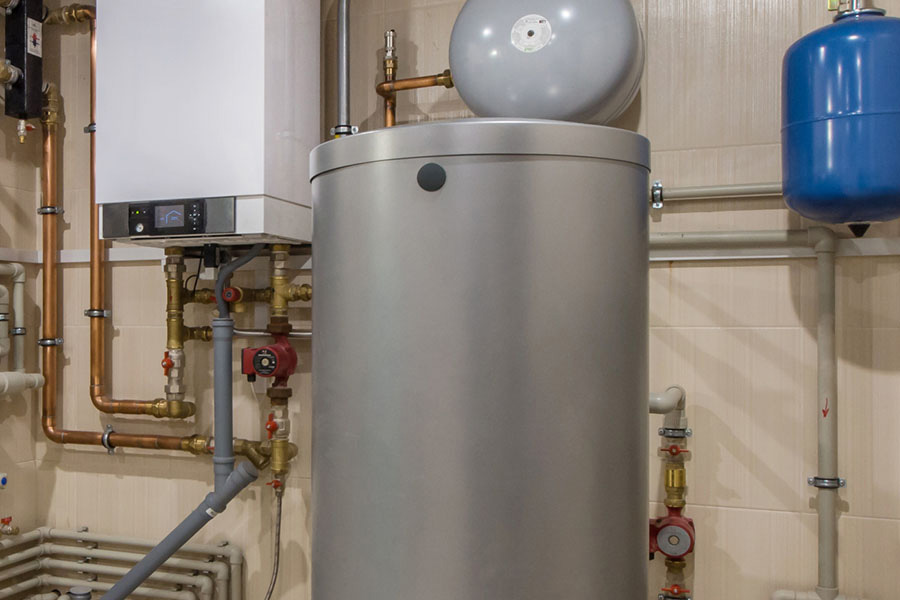
Did you know that nearly 30% of homeowners experience a heating emergency at some point? In Cross River, NY, we need to be prepared for boiler malfunctions that can disrupt our comfort and safety. It’s crucial to understand the common signs and know the steps to take during a boiler emergency. Let’s explore how we can manage these situations effectively and keep our homes warm and secure.
Common Signs of Boiler Malfunction
When it comes to boiler malfunctions, recognizing the signs early can save us both time and money. We should stay vigilant for a few key indicators that something’s amiss.
If we notice strange noises, like banging or clanging, it might signal a serious issue. Additionally, if our boiler’s pressure gauge is frequently low or fluctuating, that’s a red flag we can’t ignore.
Leaks around the unit can also indicate a malfunction that needs immediate attention.
We should pay attention to inconsistent heating; if some rooms are warm while others are cold, that could mean our boiler isn’t functioning properly.
Finally, if we smell gas or notice a strange odor, we must act fast and call for help. Regular boiler maintenance options can help us identify potential issues before they escalate.
Steps to Take During a Boiler Emergency
Recognizing the signs of a boiler malfunction is just the first step; knowing what to do next in an emergency is key to ensuring our safety and minimizing damage.
First, we need to turn off the boiler immediately to prevent further issues. Next, let’s check for any gas leaks by smelling for gas or looking for yellow flames. If we suspect a leak, we should leave the area and call our gas supplier.
It’s also important to shut off the water supply if there’s a leak or flooding. We should avoid attempting any repairs ourselves, as this could be dangerous. Instead, let’s reach out to a qualified technician like Wesco 53 for professional assistance, as they offer expert services for boiler installation and repair.
DIY Troubleshooting Tips for Homeowners
- Check the Thermostat: Verify it’s set to the desired temperature and hasn’t accidentally been turned down or switched off.
- Inspect the Pressure Gauge: A reading below 1 bar may indicate low pressure. We can try adding water to the system to see if that solves the problem.
- Look for Leaks: Examine the boiler and surrounding pipes for any visible leaks.
If we find any, it’s best to note their location as we’ll want to mention it to a professional. Additionally, regular maintenance is crucial for preventing boiler issues and ensuring optimal performance.
When to Call for Professional Help
If our boiler is making strange noises, leaking water, or failing to heat our home adequately, it’s a clear sign that we should seek expert help. We shouldn’t ignore persistent warning signs, as they could lead to more significant problems down the line. Additionally, if we’re unsure about the cause of the issue or how to fix it, it’s best to leave it to the pros. Professionals have the right tools and expertise to diagnose and repair problems safely and effectively. Let’s also remember that trying to fix complex issues ourselves can sometimes cause more damage or even void warranties. Regular maintenance is crucial for optimal performance and can help catch issues before they escalate.
Preventative Maintenance to Avoid Future Issues
Regular preventative maintenance can save us time and money in the long run by keeping our boiler running efficiently.
By investing a little effort now, we can avoid costly repairs down the line.
Here are three essential maintenance tasks we should prioritize:
- Annual Inspections: Scheduling yearly check-ups with a qualified technician helps identify potential issues before they escalate.
- Bleeding Radiators: We should release trapped air in our radiators to guarantee even heat distribution. This simple task improves efficiency and comfort.
- Checking the Pressure: Regularly monitoring the boiler’s pressure helps us maintain peak performance. If it’s too low or high, we need to adjust accordingly.
Conclusion
In the grand theater of homeownership, a boiler emergency can feel like a cataclysmic event, sending us into a whirlwind of panic. But if we remember to stay calm and follow the steps outlined, we can turn that chaos into clarity. By acting swiftly and calling in the pros when needed, we can transform our homes into warm sanctuaries, ensuring that we never have to face another chilly crisis again. Let’s keep our homes cozy and our worries at bay!