


Imagine your heat pump humming quietly in the background, efficiently keeping your home comfortable throughout the seasons. To guarantee it continues this reliable performance, regular maintenance is essential. By taking simple steps now, you can extend its life and improve energy efficiency. Curious about the best practices to keep your system running smoothly? Let’s explore some effective maintenance tips tailored for homeowners in Sleepy Hollow, NY.
Regularly Change or Clean Filters
Regularly changing or cleaning your heat pump filters is essential for maintaining ideal performance. When you neglect this task, dust and debris accumulate, making your system work harder and less efficiently.
You’ll notice a drop in air quality, increased energy costs, and potential breakdowns.
Aim to check your filters monthly, especially during peak usage seasons. If they’re dirty, clean or replace them right away. This simple step not only enhances airflow but also prolongs the life of your heat pump.
Using high-quality filters can help capture more particles, improving your indoor air quality. Additionally, regular maintenance, including filter changes, is crucial for the longevity and efficiency of your heat pump system.
Schedule Annual Professional Inspections
To keep your heat pump running smoothly, scheduling annual professional inspections is crucial.
These inspections help identify potential issues before they escalate into costly repairs. A trained technician can assess your system’s efficiency, check for signs of wear and tear, and guarantee that all components are functioning correctly.
During the inspection, the technician will clean essential parts, check refrigerant levels, and verify electrical connections. This proactive approach not only extends the life of your heat pump but also enhances its performance, saving you money on energy bills. Regular maintenance ensures optimal performance and efficiency, leading to lower energy costs and fewer breakdowns.
Keep the Outdoor Unit Clear of Debris
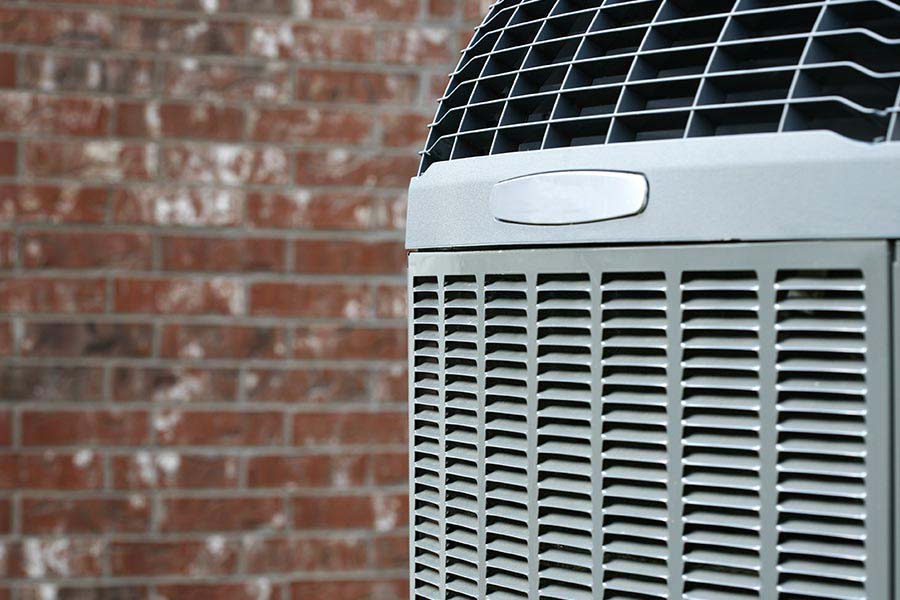
After getting your annual professional inspection, maintaining the outdoor unit of your heat pump is key to its efficiency. Regularly check the area around your unit and keep it free from debris like leaves, grass clippings, and branches.
These obstructions can block airflow, leading to decreased performance and increased energy consumption. Make it a habit to clear any snow or ice during the winter months, as heavy accumulation can severely damage your unit.
Trim back any nearby shrubs or plants to guarantee they aren’t encroaching on the unit’s space. Additionally, inspect the fins on the outdoor coil; a gentle rinse with a hose can help remove dirt and debris that may have settled. Regular maintenance plans can help ensure system reliability and extend the life of your heat pump.
Monitor and Maintain Refrigerant Levels
While you may not think about refrigerant levels often, keeping them properly maintained is crucial for your heat pump’s efficiency. Low refrigerant levels can lead to decreased performance and higher energy bills, so it’s important to monitor them regularly.
Check for any signs of leaks, such as ice buildup on the coils or hissing noises. If you suspect a problem, don’t hesitate to call a professional to inspect your system.
Additionally, during your routine maintenance checks, verify the refrigerant levels are within the manufacturer’s specifications. An HVAC technician can help recharge the system if needed, guaranteeing peak performance. Regular repairs help extend equipment lifespan, ensuring your heat pump operates efficiently for years to come.
Optimize Thermostat Settings for Efficiency
Optimizing your thermostat settings can greatly enhance your heat pump’s efficiency, ensuring you stay comfortable without overspending on energy bills.
Start by setting your thermostat to a consistent temperature, ideally around 68°F during the day and lowering it at night or when you’re away. This helps reduce energy consumption while maintaining comfort.
Consider using a programmable or smart thermostat, which allows you to schedule temperature adjustments based on your routine. This way, your heat pump won’t work harder than necessary.
Also, avoid frequent temperature changes; each adjustment can lead to increased energy usage. If you have zones in your home, adjust settings accordingly to avoid heating unused spaces.
Regularly check your thermostat for accuracy, and if it’s not functioning well, it might be time for a replacement.

Conclusion
By prioritizing these practical maintenance practices, you’ll protect your heat pump’s performance and prolong its lifespan. Regularly changing filters, scheduling inspections, and clearing debris are simple steps that lead to significant savings. Monitoring refrigerant levels and optimizing your thermostat settings not only boosts efficiency but also enhances comfort. So, stay savvy and safeguard your system! With a little effort, you can guarantee your heat pump runs smoothly and serves you well for years to come.